
UN Sustainable Development Goals & Nuclear Technology
At the core of the 2030 Agenda for Sustainable Development, adopted by all United Nations Member States in 2015, are the 17 Sustainable Development Goals (SDGs). The SDGs are a universal call to action to end poverty, protect the planet, and improve the lives and prospects of everyone, everywhere. Nuclear sciences and technology can play a vital role in achieving the Sustainable Development Goals (SDGs) by providing innovative and efficient solutions. Explore the SDGs and some of the relevant nuclear science and technologies below.
We’d be grateful if you could complete a short survey to help us to improve this resource.
-
Applications
-
Radioisotope tracing techniques are used to study the uptake and movement of nutrients in soil, helping to optimise fertiliser application and improve crop yields. By introducing radioactive tracers into fertilisers and measuring their distribution, researchers can assess nutrient use efficiency and minimise environmental impacts.
Want to see some specific technologies for this application? View technologiesCase Study
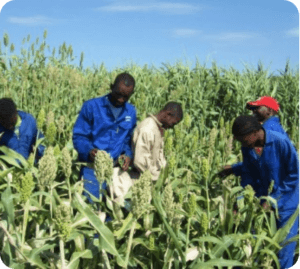
Farmers Using Nuclear Science to Improve Water Use Efficiency
View case study -
Mutation breeding, using radiation, is a technique that induces genetic variations in crops to develop new varieties with improved traits. By exposing seeds or plant tissues to ionising radiation, breeders can accelerate the natural process of mutation, leading to the creation of crops with higher yields, enhanced disease resistance, and improved nutritional content.
Want to see some specific technologies for this application? View technologiesCase Study
Nuclear Techniques in Agriculture – Optimising Resources Through Isotopic and Radiation Applications
View case study -
Radioisotope tracing techniques are used to study the uptake and movement of water and nutrients in crops, helping to optimise irrigation and fertilisation practices for increased yields. By measuring tracer distribution, researchers can assess resource use efficiency and improve agricultural productivity.
Want to see some specific technologies for this application? View technologiesCase Study
Validating New Agricultural Models Using Nuclear Science
View case study -
Radiation processing, using gamma rays or electron beams, is employed to extend the shelf life of food products by eliminating spoilage microorganisms and insects. This technique provides a safe and effective method for preserving food, reducing waste, and improving safety.
Want to see some specific technologies for this application? View technologiesCase Study
The Use of Irradiation to Control Fruit Fly Infestations in Fruit Harvests
View case study
-
-
Applications
-
Radiation therapy is a medical technique that uses ionising radiation to treat cancer. By precisely targeting and damaging the DNA of cancerous cells, radiation therapy inhibits their growth and division, leading to tumour shrinkage and destruction. It is a cornerstone of cancer treatment, often used in conjunction with surgery and chemotherapy.
Want to see some specific technologies for this application? View technologiesCase Study
Ethiopia Strengthens Cancer Control with Enhanced Equipment, Training, and Licensing
View case study -
Radiopharmaceuticals are radioactive drugs used for diagnostic imaging and therapeutic interventions in nuclear medicine. By targeting specific organs or tissues, radiopharmaceuticals provide valuable insights into physiological processes and deliver targeted radiation therapy for various diseases.
Want to see some specific technologies for this application? View technologiesCase Study
Radiopharmaceuticals Advance Cancer Treatment in Asia
View case study -
Nuclear medicine employs radioactive isotopes for diagnostic imaging and therapeutic interventions. By using radiopharmaceuticals that target specific organs or tissues, nuclear medicine provides valuable insights into physiological processes and delivers targeted radiation therapy for various diseases.
Want to see some specific technologies for this application? View technologiesCase Study
Radiopharmaceuticals Advance Cancer Treatment in Asia
View case study -
Radiation sterilisation, using gamma rays or electron beams, is a technique used to sterilise medical devices, pharmaceuticals, and other products by inactivating microorganisms. This method provides a safe, effective, and reliable way to ensure the sterility of products, contributing to improved healthcare and safety.
Want to see some specific technologies for this application? View technologiesCase Study
Medical Equipment Sterilisation in Ghana
View case study -
Radiation processing, using electron beams or gamma rays, is employed to disinfect wastewater by inactivating pathogens and reducing harmful microorganisms. This technique provides a safe and effective method for treating wastewater, contributing to improved water quality and public health.
Want to see some specific technologies for this application? View technologiesCase Study
China Pioneers Medical Wastewater Treatment with Electron Beam Technology
View case study -
Radioisotope tracing techniques and radiation processing are used to study disease mechanisms and develop prevention strategies. Tracers track biological processes, while radiation is used to sterilise medical equipment and develop vaccines, providing insights into disease pathways and effective interventions.
Want to see some specific technologies for this application? View technologiesCase Study
Combating Avian Influenza: Nuclear Technologies at the Forefront
View case study -
Radioisotope tracing techniques are used to study the uptake and movement of nutrients in soil, helping to optimise fertiliser application and improve crop yields. By introducing radioactive tracers into fertilisers and measuring their distribution, researchers can assess nutrient use efficiency and minimise environmental impacts.
Want to see some specific technologies for this application? View technologiesCase Study
Farmers Using Nuclear Science to Improve Water Use Efficiency
View case study -
Radiation processing, using gamma rays or electron beams, is employed to extend the shelf life of food products by eliminating spoilage microorganisms and insects. This technique provides a safe and effective method for preserving food, reducing waste, and improving safety.
Want to see some specific technologies for this application? View technologiesCase Study
The Use of Irradiation to Control Fruit Fly Infestations in Fruit Harvests
View case study
-
-
Applications
-
Radioisotope tracing techniques are used to study groundwater flow, water recharge, and contaminant transport, providing valuable information for sustainable water resource management. By introducing radioactive tracers into water bodies and measuring their movement, researchers can assess water availability, identify sources of pollution, and optimise water use.
Want to see some specific technologies for this application? View technologiesCase Study
Farmers Using Nuclear Science to Improve Water Use Efficiency
View case study -
Radiation processing, using electron beams or gamma rays, is employed to disinfect wastewater by inactivating pathogens and reducing harmful microorganisms. This technique provides a safe and effective method for treating wastewater, contributing to improved water quality and public health.
Want to see some specific technologies for this application? View technologiesCase Study
China Pioneers Medical Wastewater Treatment with Electron Beam Technology
View case study -
Nuclear desalination uses heat from nuclear reactors to desalinate seawater, providing a sustainable and reliable source of fresh water. By integrating desalination plants with nuclear power stations, this technology addresses water scarcity in arid regions and contributes to sustainable water resource management.
Want to see some specific technologies for this application? View technologiesCase Study
China Pioneers Medical Wastewater Treatment with Electron Beam Technology
View case study -
Radioisotope tracing techniques and nuclear analytical methods are used to study urban environments, providing information for planning and development. Tracking the movement of water and pollutants helps assess the impacts of urbanisation and develop sustainable urban infrastructure.
Want to see some specific technologies for this application? View technologiesCase Study
Transforming Urban Water Management Through Isotopic Techniques
View case study
-
-
Applications
-
Nuclear process heat involves using the heat generated by nuclear reactors for industrial processes, such as hydrogen production, desalination, and chemical manufacturing. This provides a low-carbon alternative to fossil fuels for high-temperature industrial applications.
Want to see some specific technologies for this application? View technologiesCase Study
China Scales Nuclear District Heating with Haiyang Project
View case study -
Nuclear energy is generated by harnessing the energy released from nuclear fission, the splitting of atoms. Nuclear power plants use this energy to produce electricity, providing a low-carbon alternative to fossil fuels and contributing to energy security.
Want to see some specific technologies for this application? View technologies -
Nuclear desalination uses heat from nuclear reactors to desalinate seawater, providing a sustainable and reliable source of fresh water. By integrating desalination plants with nuclear power stations, this technology addresses water scarcity in arid regions and contributes to sustainable water resource management.
Want to see some specific technologies for this application? View technologiesCase Study
China Pioneers Medical Wastewater Treatment with Electron Beam Technology
View case study
-
-
Applications
-
Radiation therapy is a medical technique that uses ionising radiation to treat cancer. By precisely targeting and damaging the DNA of cancerous cells, radiation therapy inhibits their growth and division, leading to tumour shrinkage and destruction. It is a cornerstone of cancer treatment, often used in conjunction with surgery and chemotherapy.
Want to see some specific technologies for this application? View technologiesCase Study
Ethiopia Strengthens Cancer Control with Enhanced Equipment, Training, and Licensing
View case study -
Radiopharmaceuticals are radioactive drugs used for diagnostic imaging and therapeutic interventions in nuclear medicine. By targeting specific organs or tissues, radiopharmaceuticals provide valuable insights into physiological processes and deliver targeted radiation therapy for various diseases.
Want to see some specific technologies for this application? View technologiesCase Study
Radiopharmaceuticals Advance Cancer Treatment in Asia
View case study -
Nuclear process heat involves using the heat generated by nuclear reactors for industrial processes, such as hydrogen production, desalination, and chemical manufacturing. This provides a low-carbon alternative to fossil fuels for high-temperature industrial applications.
Want to see some specific technologies for this application? View technologiesCase Study
China Scales Nuclear District Heating with Haiyang Project
View case study -
Nuclear medicine employs radioactive isotopes for diagnostic imaging and therapeutic interventions. By using radiopharmaceuticals that target specific organs or tissues, nuclear medicine provides valuable insights into physiological processes and delivers targeted radiation therapy for various diseases.
Want to see some specific technologies for this application? View technologiesCase Study
Radiopharmaceuticals Advance Cancer Treatment in Asia
View case study -
Nuclear desalination uses heat from nuclear reactors to desalinate seawater, providing a sustainable and reliable source of fresh water. By integrating desalination plants with nuclear power stations, this technology addresses water scarcity in arid regions and contributes to sustainable water resource management.
Want to see some specific technologies for this application? View technologiesCase Study
China Pioneers Medical Wastewater Treatment with Electron Beam Technology
View case study -
Radioisotope tracing techniques and radiation processing are used to study disease mechanisms and develop prevention strategies. Tracers track biological processes, while radiation is used to sterilise medical equipment and develop vaccines, providing insights into disease pathways and effective interventions.
Want to see some specific technologies for this application? View technologiesCase Study
Combating Avian Influenza: Nuclear Technologies at the Forefront
View case study
-
-
Applications
-
Nuclear analytical techniques, such as Neutron Activation Analysis (NAA) and X-ray fluorescence (XRF), are used to determine the elemental composition of cultural artefacts. By analysing the characteristic radiation emitted by the materials, these techniques provide valuable insights into the origin, manufacturing techniques, and authenticity of artefacts without causing significant damage.
Want to see some specific technologies for this application? View technologiesCase Study
IAEA E-Learning Course Empowers Scientists Globally in Neutron Activation Analysis
View case study -
Nuclear analytical techniques, such as isotope analysis and Neutron Activation Analysis (NAA), are used to determine the origin and provenance of cultural artefacts. By analysing the isotopic composition and elemental makeup of materials, these techniques provide valuable insights into the geographical sources and trade routes of artefacts.
Want to see some specific technologies for this application? View technologiesCase Study
Safeguarding Cultural Heritage with Gamma Irradiation
View case study -
Radioisotope tracing techniques and nuclear analytical methods are used to study urban environments, providing information for planning and development. Tracking the movement of water and pollutants helps assess the impacts of urbanisation and develop sustainable urban infrastructure.
Want to see some specific technologies for this application? View technologiesCase Study
Transforming Urban Water Management Through Isotopic Techniques
View case study
-
-
Applications
-
Radioisotope tracing techniques are used to study groundwater flow, water recharge, and contaminant transport, providing valuable information for sustainable water resource management. By introducing radioactive tracers into water bodies and measuring their movement, researchers can assess water availability, identify sources of pollution, and optimise water use.
Want to see some specific technologies for this application? View technologiesCase Study
Farmers Using Nuclear Science to Improve Water Use Efficiency
View case study -
Radioisotope tracing techniques are used to study sediment transport in rivers and coastal areas. By introducing radioactive tracers into sediments and measuring their movement, researchers can assess erosion rates, sediment deposition, and the impact of human activities on sediment dynamics.
Want to see some specific technologies for this application? View technologiesCase Study
Caribbean Marine Labs Uncover Sedimentation’s Impact on Sea Life
View case study -
Radioisotope tracing and other nuclear techniques are used in oceanography to study ocean currents, mixing processes, and biogeochemical cycles. By tracking the movement of radioactive tracers and analysing their distribution, researchers gain insights into ocean dynamics and environmental processes.
Want to see some specific technologies for this application? View technologiesCase Study
Unravelling Ocean Acidification: Nuclear Techniques Provide Critical Insights
View case study -
Nuclear process heat involves using the heat generated by nuclear reactors for industrial processes, such as hydrogen production, desalination, and chemical manufacturing. This provides a low-carbon alternative to fossil fuels for high-temperature industrial applications.
Want to see some specific technologies for this application? View technologiesCase Study
China Scales Nuclear District Heating with Haiyang Project
View case study -
Nuclear energy is generated by harnessing the energy released from nuclear fission, the splitting of atoms. Nuclear power plants use this energy to produce electricity, providing a low-carbon alternative to fossil fuels and contributing to energy security.
Want to see some specific technologies for this application? View technologies -
Radioisotope tracing techniques and nuclear analytical methods are used to study urban environments, providing information for planning and development. Tracking the movement of water and pollutants helps assess the impacts of urbanisation and develop sustainable urban infrastructure.
Want to see some specific technologies for this application? View technologiesCase Study
Transforming Urban Water Management Through Isotopic Techniques
View case study -
Radioisotope tracing techniques and nuclear analytical methods are used to study climate processes and reconstruct past conditions. Analysing the isotopic composition of archives like ice cores or sediments provides insights into climate variability and the impacts of climate change.
Want to see some specific technologies for this application? View technologiesCase Study
Unlocking Climate History: Isotopic Records and Global Insights
View case study
-
-
Applications
-
Radioisotope tracing techniques are used to study sediment transport in rivers and coastal areas. By introducing radioactive tracers into sediments and measuring their movement, researchers can assess erosion rates, sediment deposition, and the impact of human activities on sediment dynamics.
Want to see some specific technologies for this application? View technologiesCase Study
Caribbean Marine Labs Uncover Sedimentation’s Impact on Sea Life
View case study -
Radioisotope tracing and other nuclear techniques are used in oceanography to study ocean currents, mixing processes, and biogeochemical cycles. By tracking the movement of radioactive tracers and analysing their distribution, researchers gain insights into ocean dynamics and environmental processes.
Want to see some specific technologies for this application? View technologiesCase Study
Unravelling Ocean Acidification: Nuclear Techniques Provide Critical Insights
View case study -
Radioisotope tracing techniques and nuclear analytical methods are used to study climate processes and reconstruct past conditions. Analysing the isotopic composition of archives like ice cores or sediments provides insights into climate variability and the impacts of climate change.
Want to see some specific technologies for this application? View technologiesCase Study
Unlocking Climate History: Isotopic Records and Global Insights
View case study -
Radioisotope tracing techniques are used to track the movement and dispersion of pollutants in marine environments. By introducing radioactive tracers into pollutants and measuring their distribution, researchers can assess the pathways, rates, and impacts of marine pollution.
Want to see some specific technologies for this application? View technologiesCase Study
Addressing Harmful Algal Blooms in Asia and the Pacific: An IAEA Technical Cooperation Initiative
View case study
-
-
Applications
-
Radioisotope tracing techniques are used to study groundwater flow, water recharge, and contaminant transport, providing valuable information for sustainable water resource management. By introducing radioactive tracers into water bodies and measuring their movement, researchers can assess water availability, identify sources of pollution, and optimise water use.
Want to see some specific technologies for this application? View technologiesCase Study
Farmers Using Nuclear Science to Improve Water Use Efficiency
View case study -
Radioisotope tracing techniques are used to study sediment transport in rivers and coastal areas. By introducing radioactive tracers into sediments and measuring their movement, researchers can assess erosion rates, sediment deposition, and the impact of human activities on sediment dynamics.
Want to see some specific technologies for this application? View technologiesCase Study
Caribbean Marine Labs Uncover Sedimentation’s Impact on Sea Life
View case study -
Radioisotope tracing techniques are used to study the uptake and movement of nutrients in soil, helping to optimise fertiliser application and improve crop yields. By introducing radioactive tracers into fertilisers and measuring their distribution, researchers can assess nutrient use efficiency and minimise environmental impacts.
Want to see some specific technologies for this application? View technologiesCase Study
Nuclear Techniques Combat Land Degradation: Targeted Impact Across Asia-Pacific Nations
View case study -
Radioisotope tracing techniques and nuclear analytical methods are used to study climate processes and reconstruct past conditions. Analysing the isotopic composition of archives like ice cores or sediments provides insights into climate variability and the impacts of climate change.
Want to see some specific technologies for this application? View technologiesCase Study
Unlocking Climate History: Isotopic Records and Global Insights
View case study -
Radioisotope tracing techniques are used to study the uptake and movement of nutrients in soil, helping to optimise fertiliser application and improve crop yields. By introducing radioactive tracers into fertilisers and measuring their distribution, researchers can assess nutrient use efficiency and minimise environmental impacts.
Want to see some specific technologies for this application? View technologiesCase Study
Farmers Using Nuclear Science to Improve Water Use Efficiency
View case study -
Mutation breeding, using radiation, is a technique that induces genetic variations in crops to develop new varieties with improved traits. By exposing seeds or plant tissues to ionising radiation, breeders can accelerate the natural process of mutation, leading to the creation of crops with higher yields, enhanced disease resistance, and improved nutritional content.
Want to see some specific technologies for this application? View technologiesCase Study
Nuclear Techniques in Agriculture – Optimising Resources Through Isotopic and Radiation Applications
View case study -
Radioisotope tracing techniques are used to study the uptake and movement of water and nutrients in crops, helping to optimise irrigation and fertilisation practices for increased yields. By measuring tracer distribution, researchers can assess resource use efficiency and improve agricultural productivity.
Want to see some specific technologies for this application? View technologiesCase Study
Validating New Agricultural Models Using Nuclear Science
View case study
-
